Advertisement
Graphic Design Trends 2026: Key Principles Every Designer Should Know
Graphic design is evolving faster than ever. As we enter 2026, designers are blending innovation, technology, and timeless design principles to create visuals that captivate and communicate. Whether you’re a professional designer, freelancer, or business owner looking to upgrade your branding, understanding the latest graphic design trends 2026 alongside the core principles of graphic design is essential.
Top Graphic Design Trends for 2026
1. AI-Enhanced Design Workflows
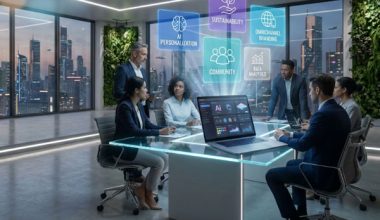
Artificial intelligence is transforming design. From generating layout ideas to automating repetitive tasks, AI tools allow designers to focus on creativity and originality. Integrating AI while adhering to design fundamentals ensures high-quality visuals.
Advertisement
2. 3D and Immersive Graphics
Three-dimensional design and AR/VR experiences are becoming mainstream. From product mockups to interactive websites, 3D graphics add depth, realism, and engagement to modern design.
3. Bold Typography & Maximalism
2026 embraces maximalist design with layered visuals, vibrant colors, and bold fonts. When combined with proper hierarchy and alignment, these designs stand out without sacrificing clarity.
4. Sustainable & Ethical Design
Eco-conscious design practices are on the rise. Designers prioritize digital-first experiences, recyclable materials, and inclusive visuals that reflect diversity and accessibility.
5. Motion Graphics & Animation
Motion is no longer optional. Animated logos, micro-interactions, and interactive design elements enhance user engagement and bring static visuals to life.
6. Neo-Brutalism
Neo-brutalism celebrates raw, geometric, and unconventional designs. High-contrast visuals and striking layouts challenge norms while remaining visually compelling when structured with core design principles.
Core Principles of Graphic Design
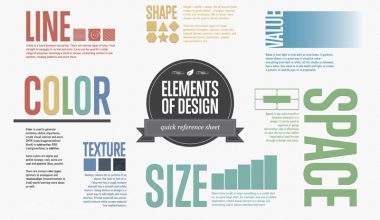
While trends evolve, timeless principles of graphic design ensure effectiveness and cohesion.
1. Balance
Distribute elements evenly for visual stability. Symmetrical or asymmetrical, balance guides the viewer naturally.
2. Contrast
Highlight differences in color, size, shape, and typography to make key elements stand out. Contrast improves readability and adds visual interest.
3. Hierarchy
Organize content by importance. Effective hierarchy leads the eye through headlines, subheadings, and supporting visuals logically.
4. Alignment
Proper alignment connects design elements and ensures a clean, professional look.
5. Proximity
Group related elements together. Proximity reduces clutter and strengthens visual relationships for better understanding.
6. Repetition
Repeating fonts, colors, and design motifs builds brand consistency and visual cohesion.
7. White Space
White space prevents overcrowding, improves readability, and elevates design sophistication. It’s the “breathing room” every design needs.
How to Combine Trends and Principles in 2026
The key to modern design success is blending innovation with fundamentals:
-
Use AI tools to explore bold typography while maintaining balance and hierarchy.
-
Implement 3D visuals with contrast and alignment for immersive, user-friendly experiences.
-
Adopt sustainable design solutions with white space and proximity for clarity and professionalism.
By combining trends with core principles, designers create visuals that are both eye-catching and functional—perfect for digital campaigns, branding, and social media.
The year 2026 promises exciting shifts in the world of graphic design. Staying updated with graphic design trends 2026, while mastering the principles of graphic design, ensures your work is not only modern but also timeless, effective, and impactful.
Whether you’re designing for web, print, or digital marketing, the future of design is a perfect balance of creativity, technology, and strategy.
Advertisement